
The Overlanding Industrial Complex and It's Consequences Have Been A Disaster For Car Camping

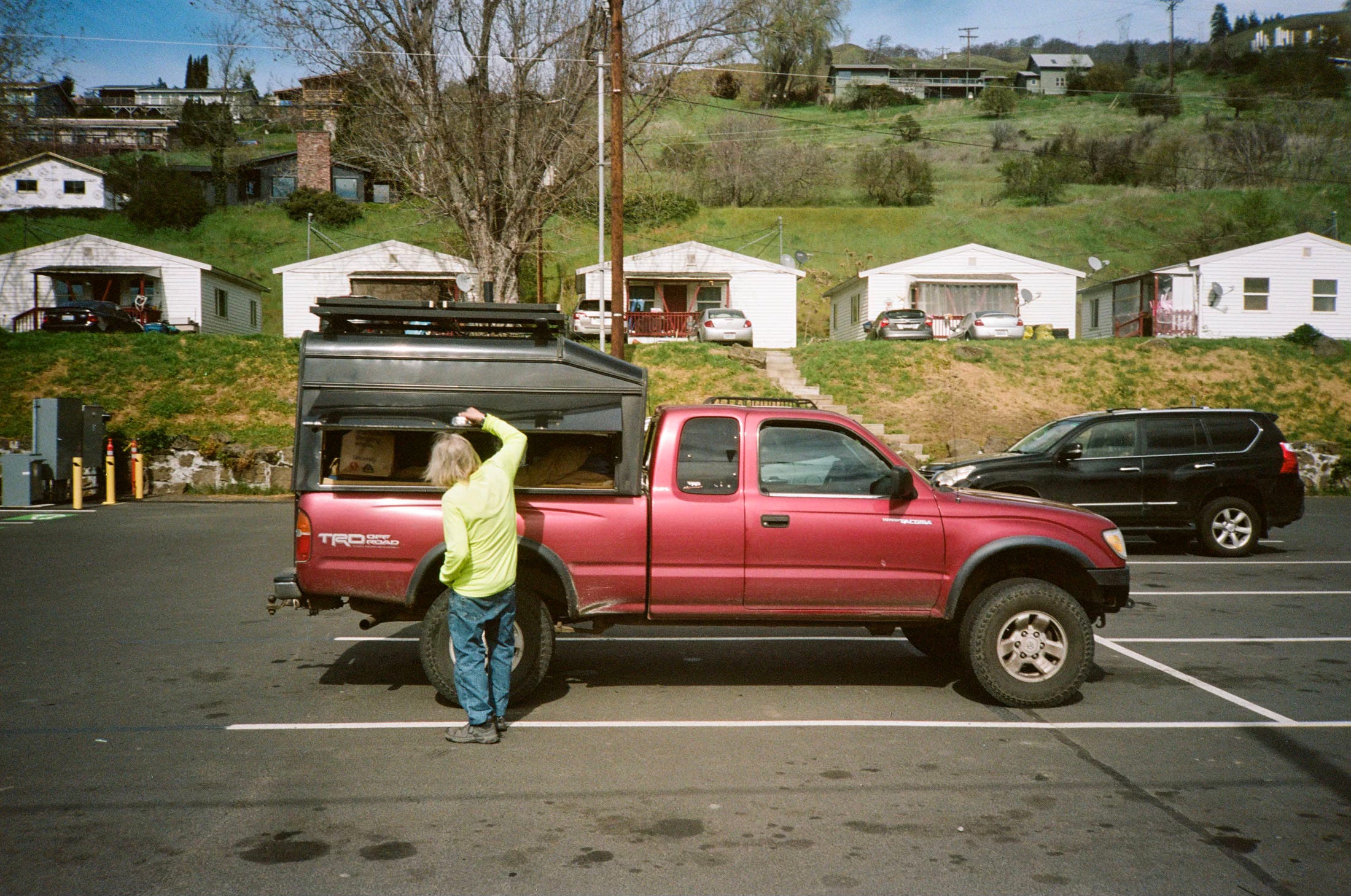
I noticed the red Tacoma with a black contractor canopy parked in the parking lot of the convenience store in Lyle, Washington, as I pulled off Highway 14. Unlike most contractor canopies that match the height of the cab, this one extended a foot or so above the top and was adorned with solar panels and a cell phone booster. I pulled up alongside and immediately jumped out and started talking to the 70-year-old man organizing the pantry on the driver’s side fold-up of the canopy.
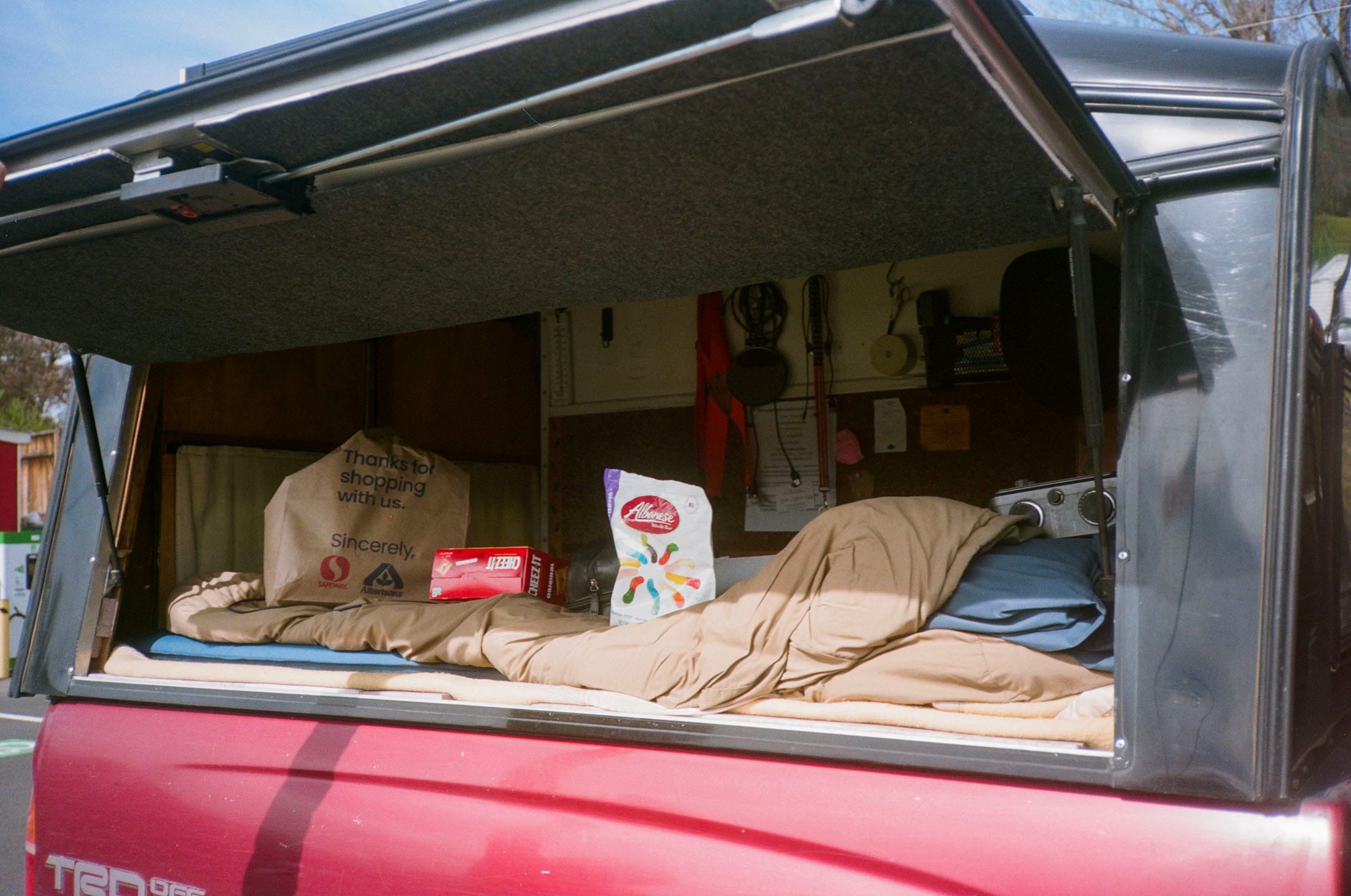
Its owner was a full-time prospector, living out of his truck, and was up in the Northwest to avoid the heat in the Southwest. His Tacoma had a blower, a TRD supercharger, and even while hauling a quad, his preferred means of exploring the arroyos and mountains where he looks for minerals, he gets around 15-17 miles per gallon. I asked him a slew of questions, and he was more than happy to explain his thought process and history of how he had his truck set up the way it is. He travels alone and needs to access his mineral claims deep in the mountains of Arizona. His Tacoma is built from the ground up to fill this role.
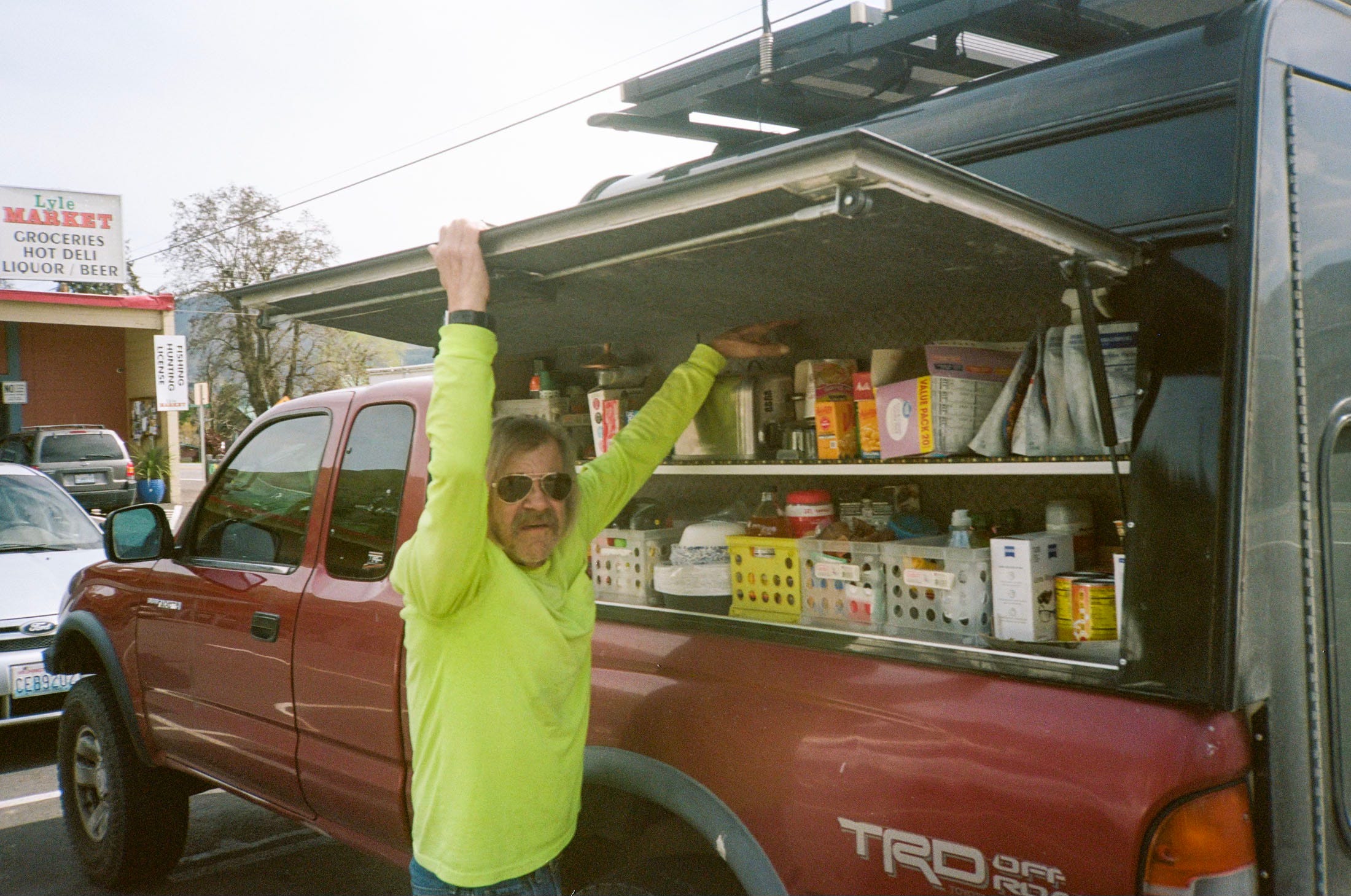
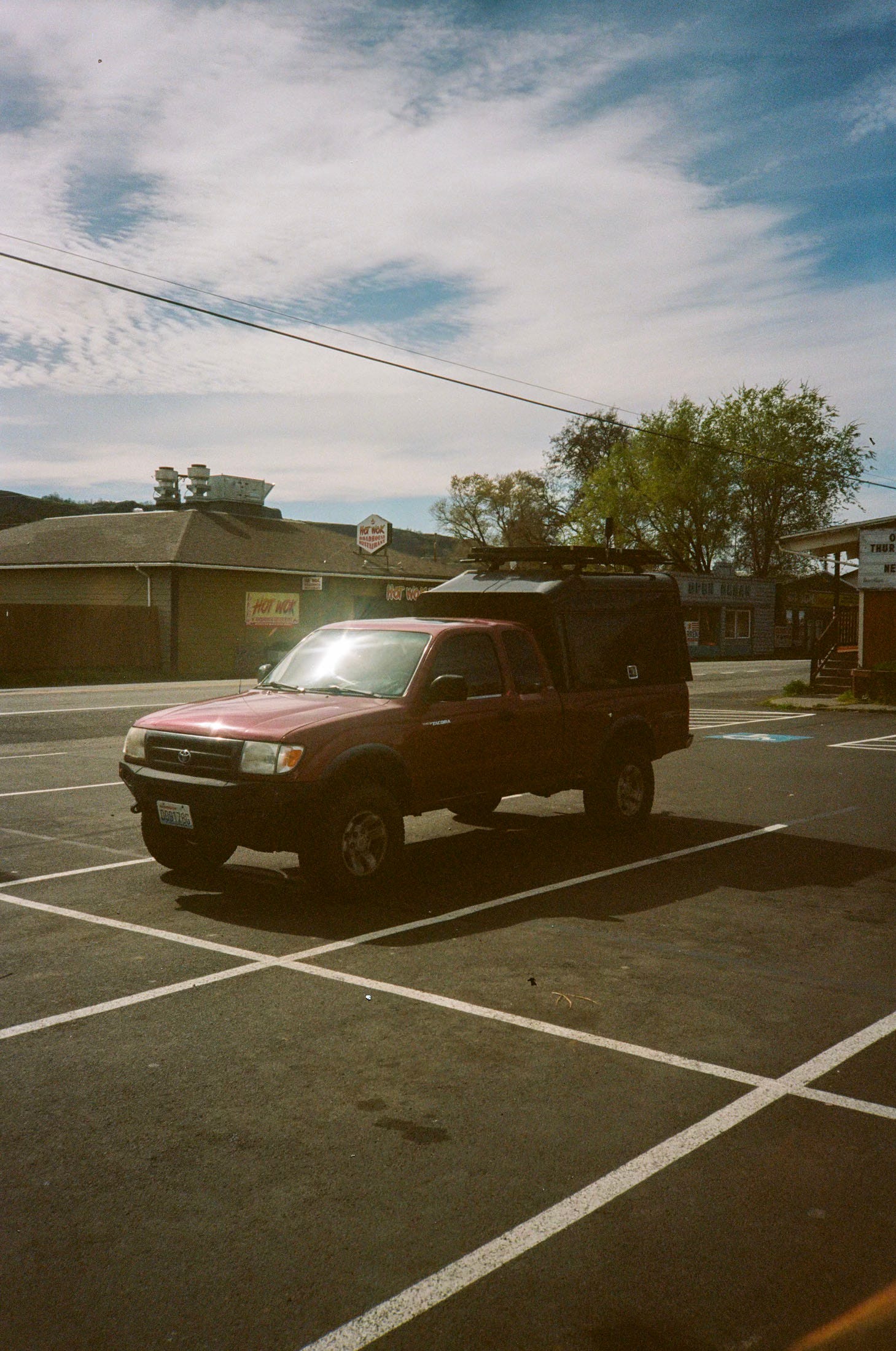
What stood out to me was that the truck had everything he needed and nothing it didn't. Although it had some hallmarks of the modern overlanding craze, such as the cell phone booster, everything had a purpose, and nothing was there that didn't need to be. The tires weren't so large that the driving dynamics of the vehicle were completely different than designed. The spare tire was in its intended spot, the rear bumper stock, the front bumper very minimal and aluminum, and its camper was small and light. All the components he had were high quality: a Dometic fridge and a high-end electrical system. and a TRD supercharger. In the age of vehicular excess, the prospector's truck showed restraint and purpose.
Two weeks later, Lillian and I were driving down the coast and stopped for the night at a state campground on the 1 a dozen miles north of Fort Bragg. The campground had certainly seen better days, with half of it closed for repairs and other parts of it losing the battle with erosion to the Pacific Ocean. A handful of other road trippers dotted the half mile or so of coastline, and as the sun sank, Lillian and I walked along the road to the beach, passing an assortment of camping rigs. A few 4x4 Sprinters, an Airstream behind an F150 on the fabled California Coast trip, and a couple in their 70s with a 2WD Tacoma with a contractor canopy from Washington. I tried to make some conversation but could immediately tell the man didn't want to have any of it; he was focusing on the sunset and making dinner.
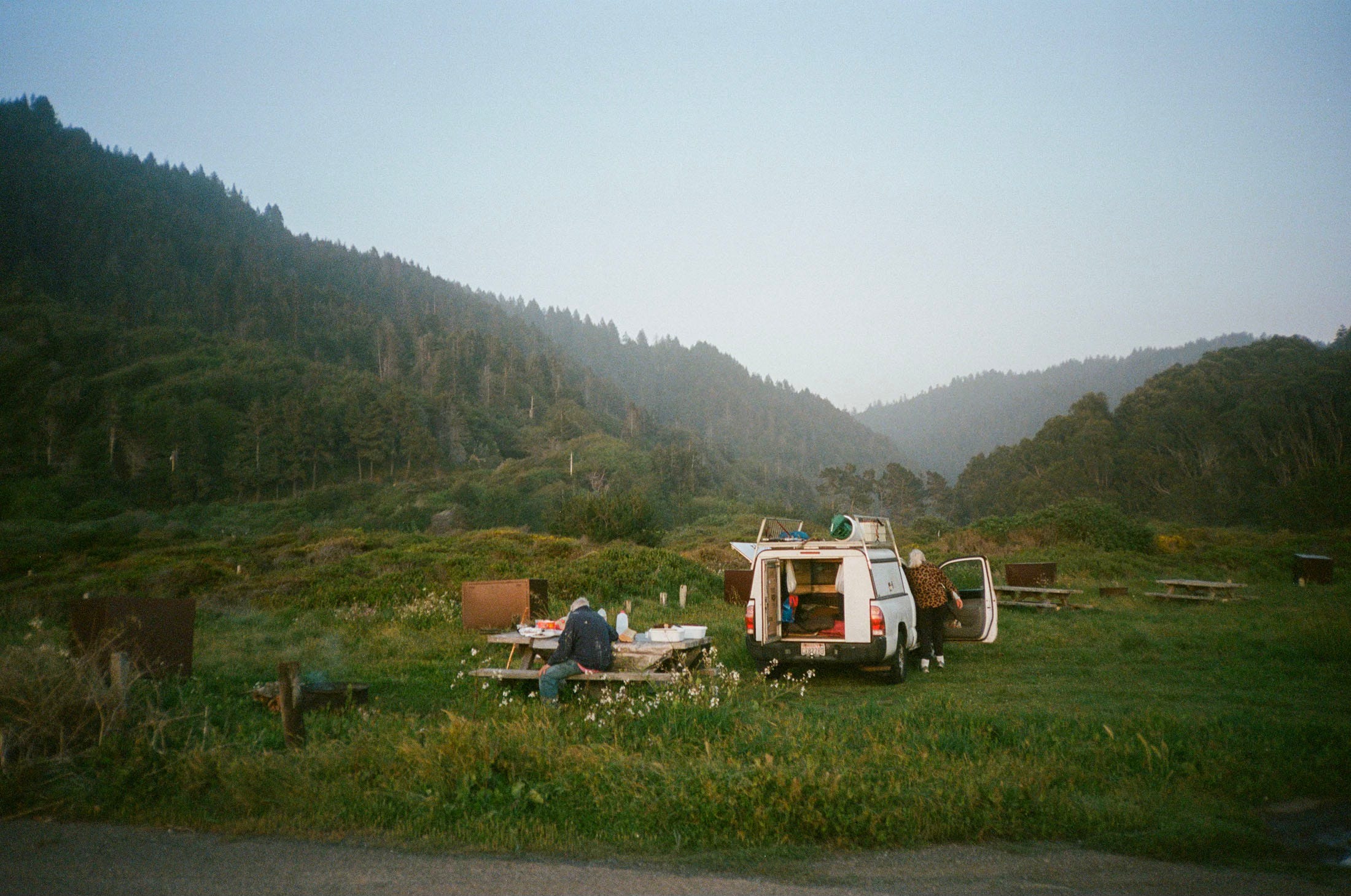
Like with the prospectors’ rig, this Tacoma was based on a contractor’s canopy and used the side doors for containing the kitchen and food supplies as well as camping setups like firewood. This couple didn’t see something on YouTube and imitate it; they learned by doing and adjusted their setup to fit their needs. Their camping setup was perfect, and I wanted to know more.
